

This month dot-art speaks to artist John Williamson.
After graduating in Visual Communication at Birmingham Art College I took a position as a graphic designer at the BBC. This was less challenging than I had hoped, so I followed this by spending the next forty years teaching Art in Merseyside and Sefton. I consider it a real privilege to have worked with some amazing art teachers and wonderfully talented students.
Along the way I gained a M.Des at Liverpool University School of Architecture and began to take my own work a little more seriously.
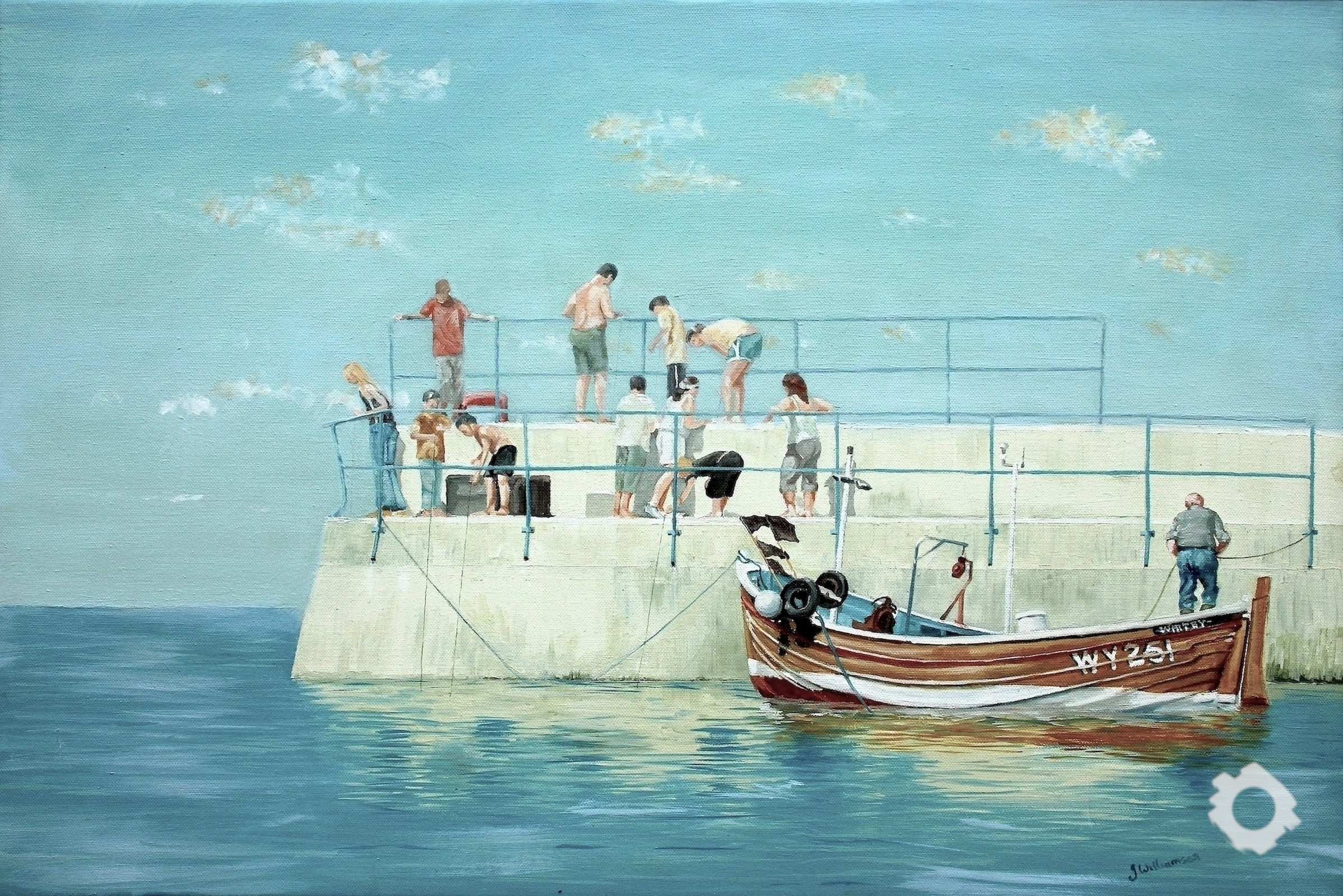
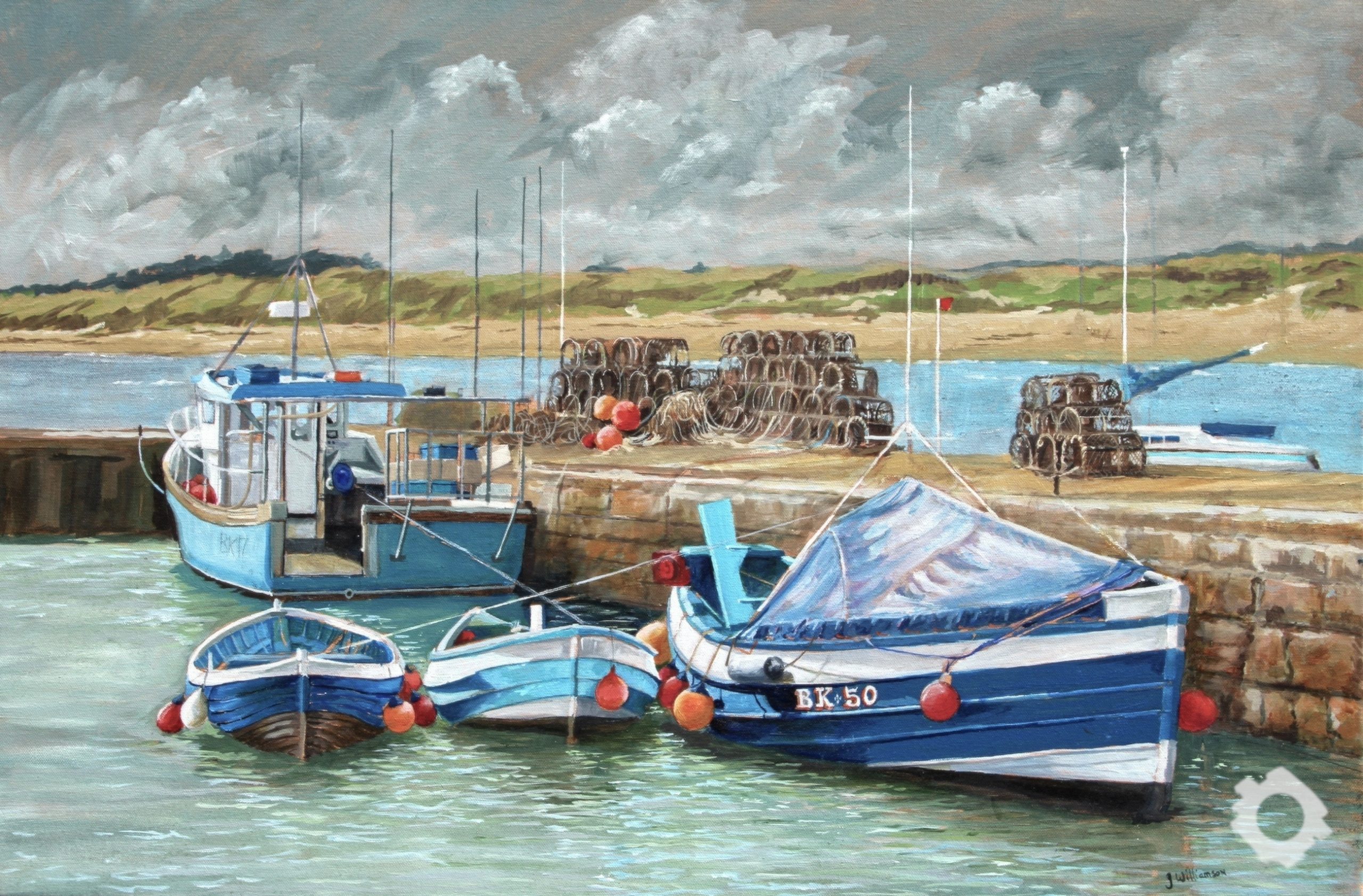
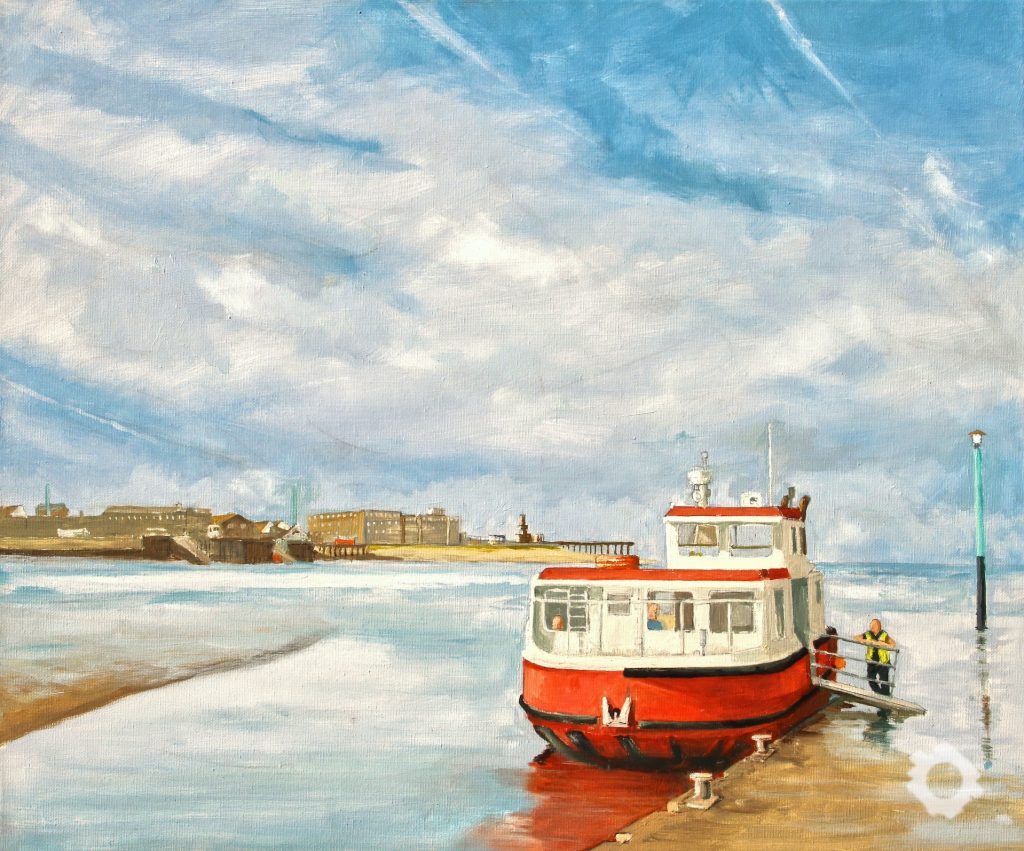
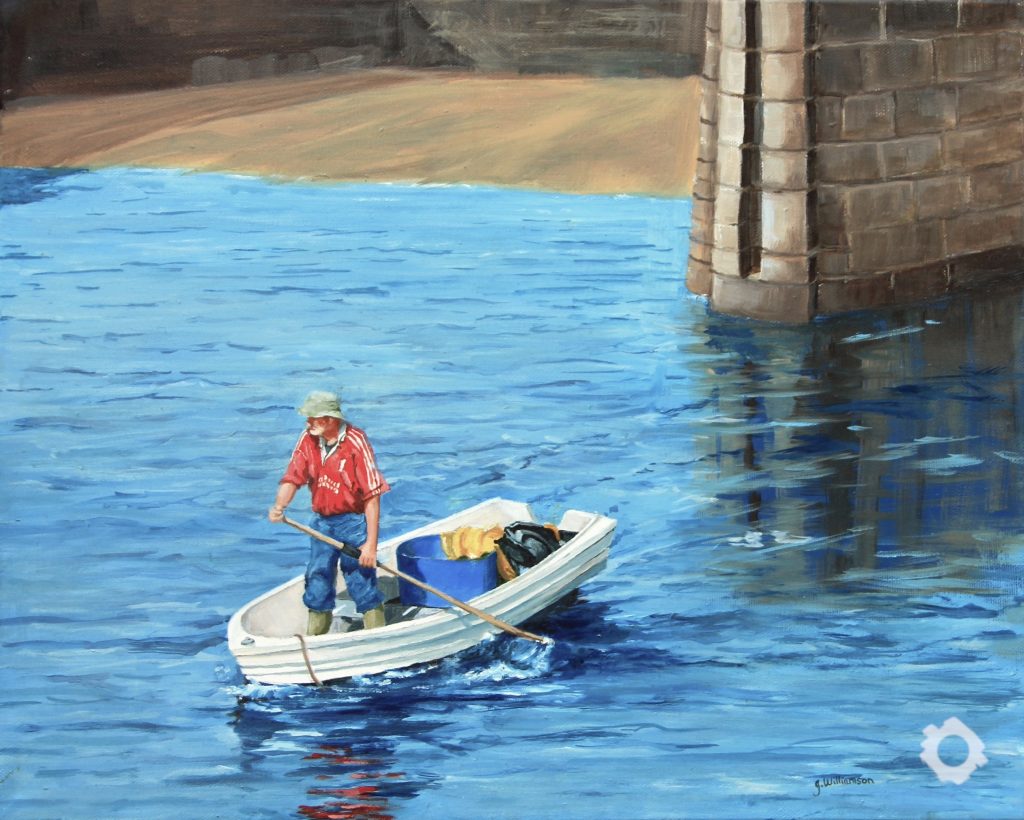
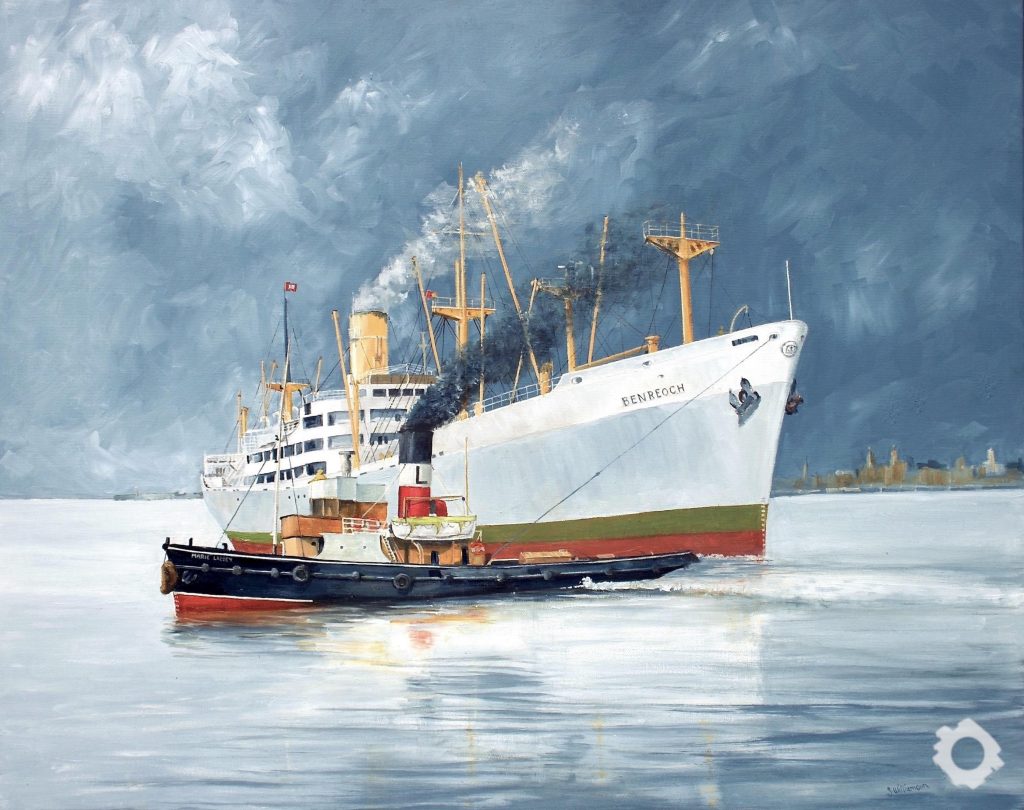
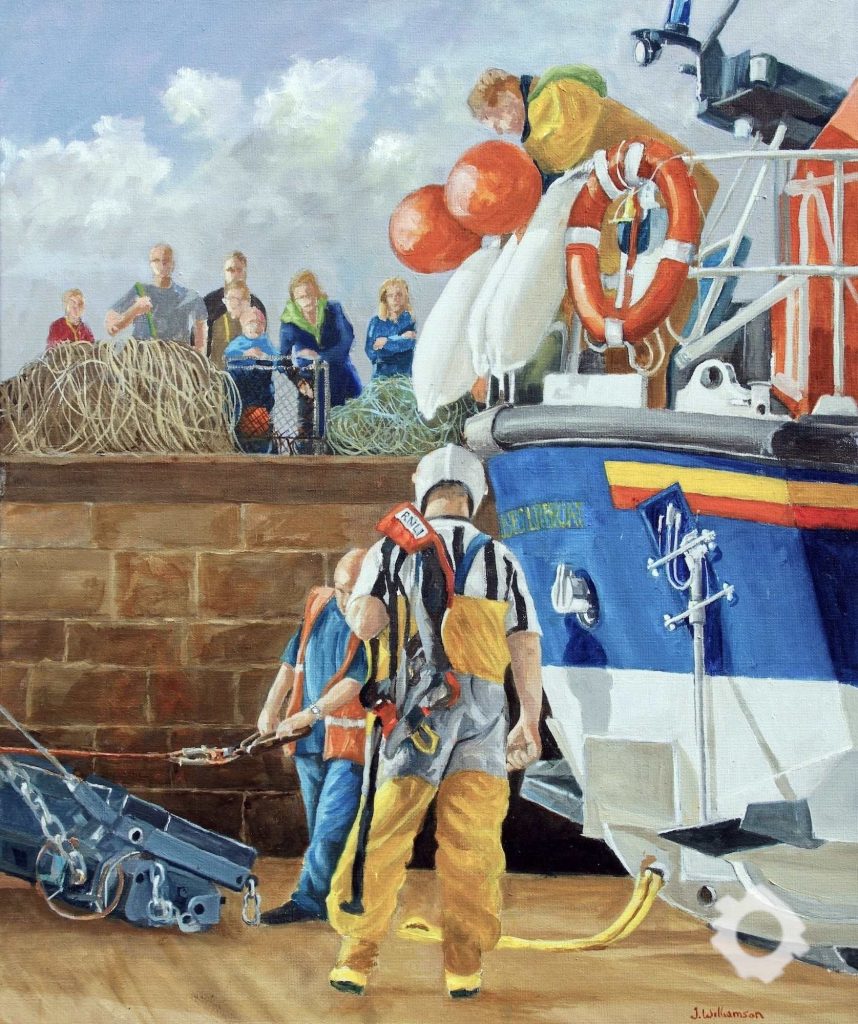
Most of my subject sources are maritime or industrial and mainly drawn from activities around the coast of northern England. I have a particular interest in the places where people work, or where they have built structures. Harbours, docks, jetties, piers, industry, boats and ships are visual magnets for me.
My work is always based in realism, sometimes quite loosely, as I want others to see what I am seeing. I am all too aware of how transient many of my subjects are and most should have long disappeared under the wheels of progress. Sadly, some have passed even while I was finishing my paintings of them. There is always a sadness associated with my work because I realise that I am capturing fleeting glimpses of scenes from a time that soon will be no longer.
Can you describe your style of art?
Beyond my own version of realism I am not actually sure that I have a style. However I do admire the styles and techniques of many other artists from Winslow Homer through Turner and the amazing work of Victorian photographer Frank Meadow Sutcliffe.
Which medium do you work with and what do you like about it specifically?
The vast majority of my final pieces are completed in oils, but on the journey to get there I use practically anything that will make marks including charcoal, water colours and even ‘borrowing’ my granddaughter’s crayons.
Can you talk us through your process? Do you begin with a sketch, or do you just go straight in? How long do you spend on one piece? How do you know when it is finished?
I always begin very slowly, spending hours considering what it is that I have in front of me and trying to find my best response to it. This is true when I am working in situ or from photographs and sketches back in my studio. Often I can walk away without making any marks at all, but I always return to the subject, sometimes after days of thinking, but work eventually begins. I believe that I have finished when I feel that my painting has moved from being a wall decoration into something that can hold people for a while and provokes them into seeing what I am seeing.
When did you begin your career in art?
Who or what inspires your art?
Why is art and creativity important to you?
What do you gain from being a member with dot-art?
I have not been a member of dot-art for very long but I have been very impressed by everything that they do to support their artists. They have an excellent promotion of art and art education across Merseyside.
What does it mean to be an artist in the Liverpool City Region?
When I arrived in Liverpool in the early seventies there was a real buzz about the place. The music and club scene, the Kardomah Coffee Houses, the Mersey Beat poets, the ferries, St John’s market with its exotic avocados, Adrian Henri and the art scene. Just what I needed after the disappointment of three years of art college and Pebble Mill. I felt revitalised, and this was magnified by the energy, enthusiasm and talent of the children and teachers that I went on to work with. I felt that I had arrived in a ‘can do’ society.
What are you working on at the moment?
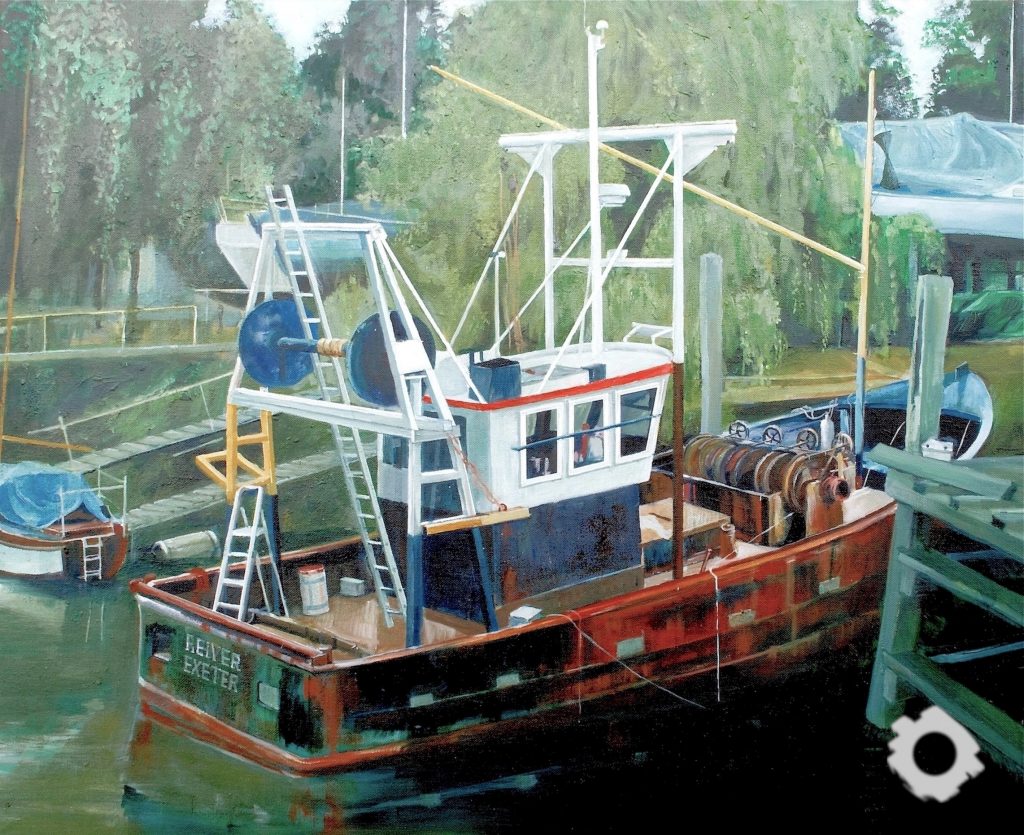
I have been working on a series of paintings based upon the many abandoned and working boats scattered around the Wirral shoreline.
What was the best advice given to you as an artist?
Discover more of John Williamson’s work on our online shop!