
This month dot-art speaks to artist Frank Leung.
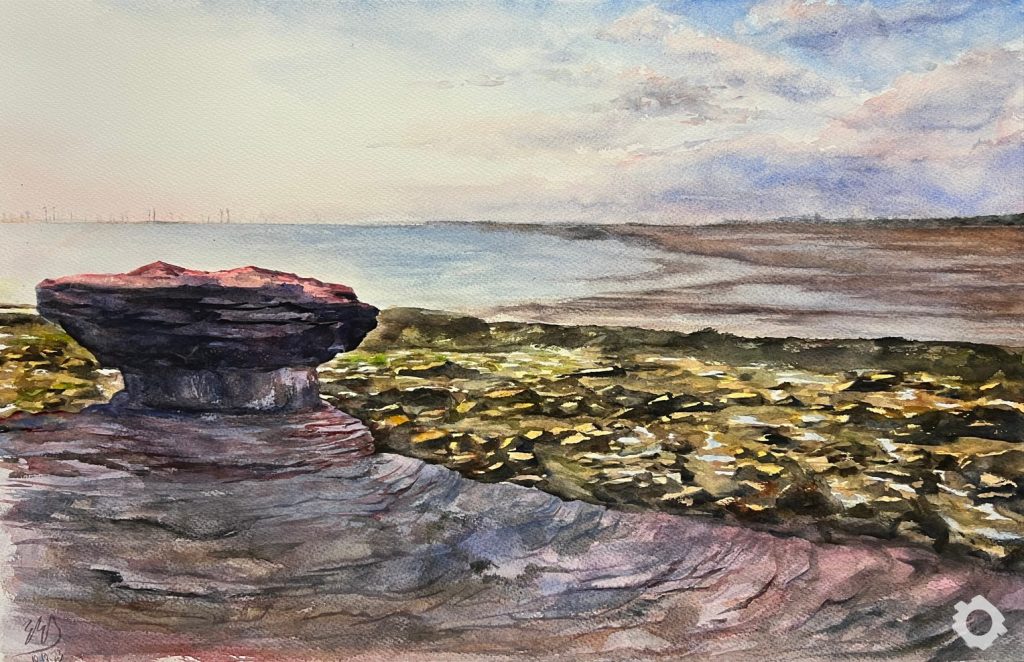
Frank Leung is interested in realism through the medium of watercolour and oil colour. Believing the world is a flow of time and energy, Frank tries to capture the flow and the motion with his strokes.
Frank graduated in the Graphic Design course of Central Saint Martins College of Arts and Design. He worked in a private art school for a decade in Hong Kong, where he learnt a lot of his knowledge and skills in painting from his colleagues and through his teaching.
Born and raised in Hong Kong, Frank is now a Liverpool based artist since he moved to UK in 2021. As an Asian who just started a new life in the British city, he believes he has a unique sight and hoping that can be reflected in his artworks.

Can you describe your style of art?
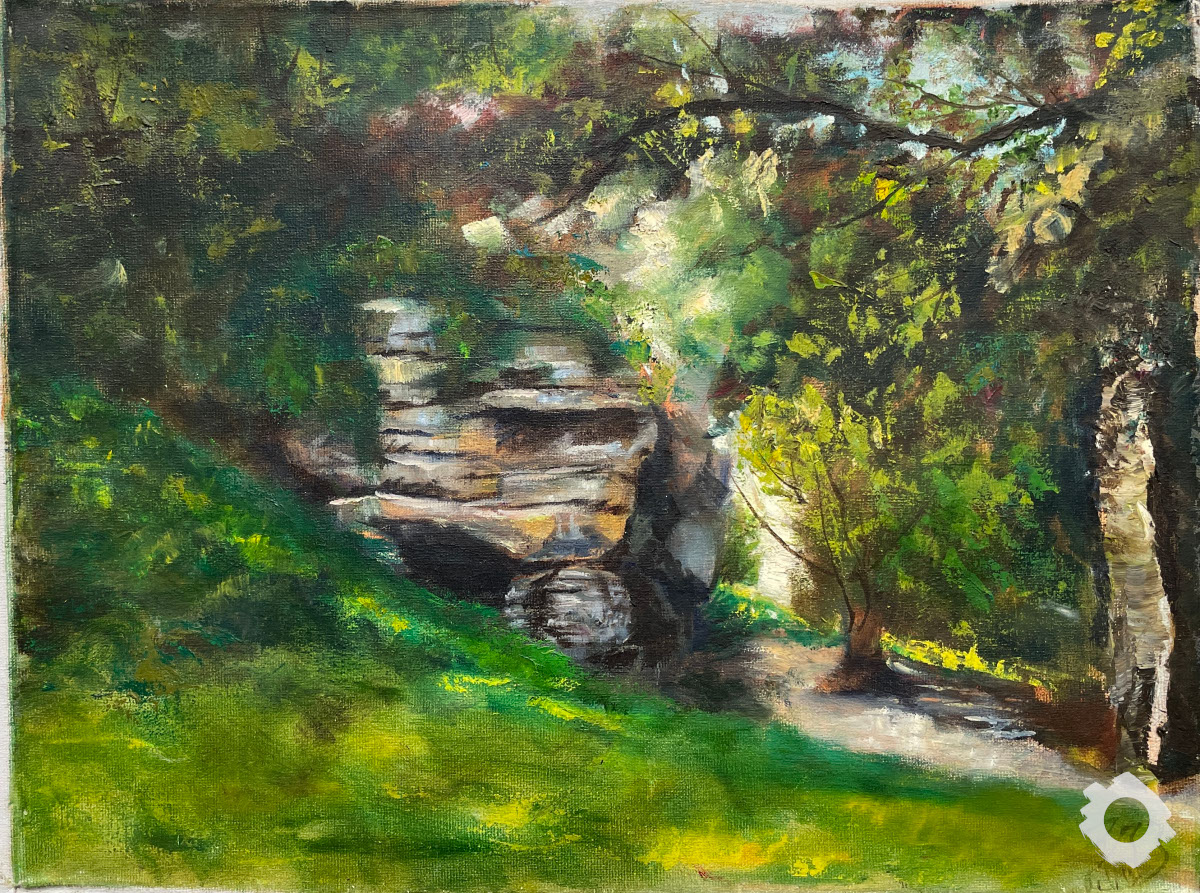
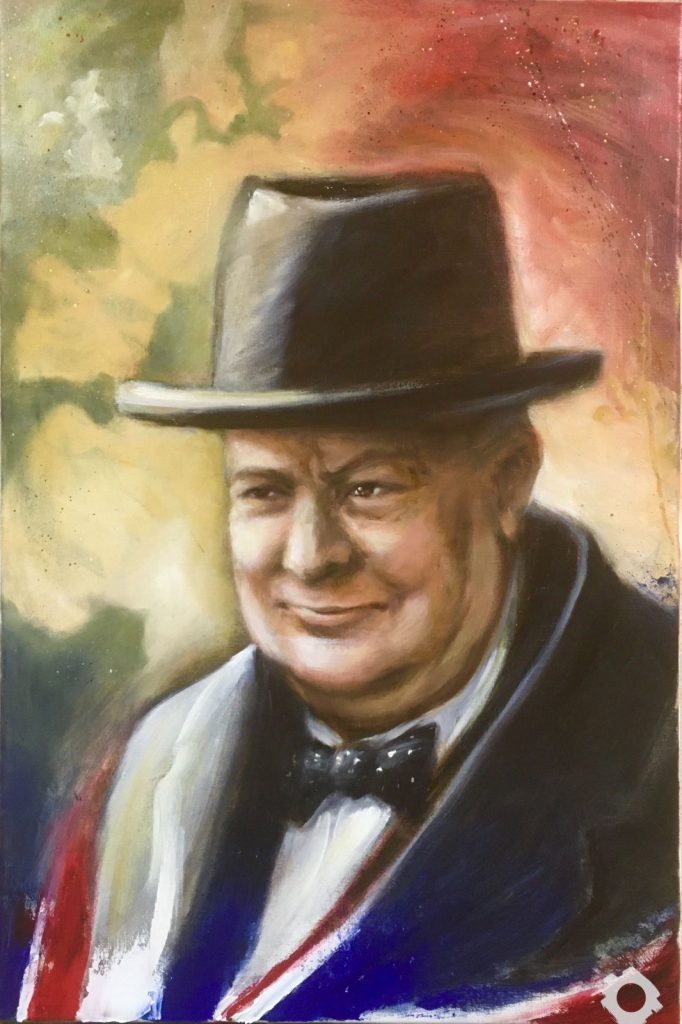
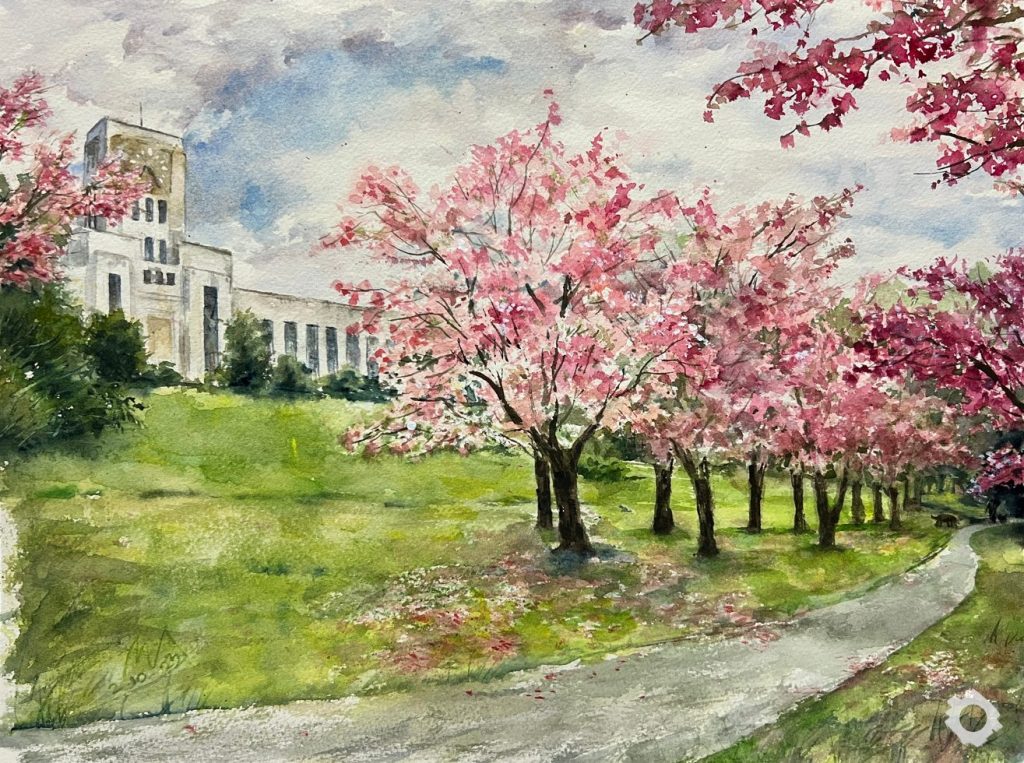
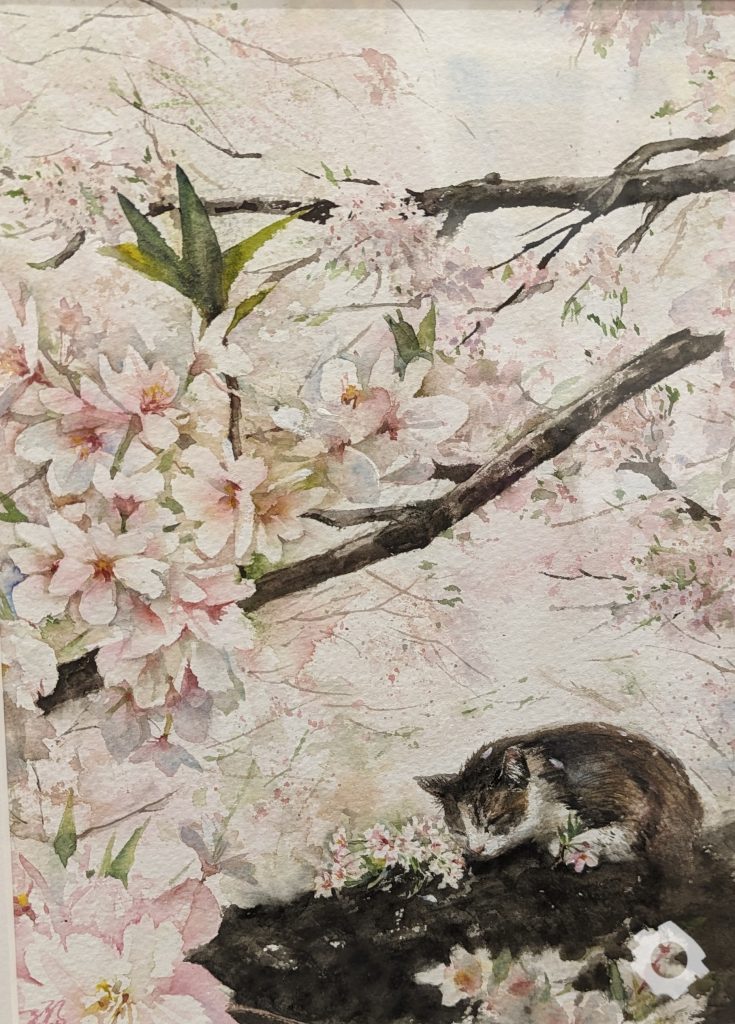
My style of art is basically realism. My painting capture actual objects or moments. Portraiture and florals are my favourite topics, but I also extend my subjects to landscapes and animals. Painters are not animators, no matter what way we make our artwork, we end up producing only still images. But the world is never a still image, there is movements, noises, actions and emotions. Therefore even my artwork ends up only captures an instant or moment, I always try to bring that flow of energy with lively strokes and textures, hoping the viewers be able to experience that living moment.
Can you talk us through your process? Do you begin with a sketch, or do you just go straight in? How long do you spend on one piece? How do you know when it is finished?
I don’t usually start with drafts but it depends on the theme of the work. In some case I’ll make a prototype sketch with pen and watercolour, or even digital art. In most cases I’d spend more time on references than draft. If I’m painting a portrait of someone who is not actually siting in front of me, I’d try to print out a lot of photographs that showing different angle; or if I’m painting a flower, I’d try to look for images of that flower in lot of different conditions.
But when I work on the actual painting, usually I just start by splattering a puzzle of colours on the canvas and then start building details over it, instead of making an outline and filling in the spaces. This allow me to have an idea of the overall balance in the composition and allowing flexibility in adjustment.
Portraits in watercolour is an area of exception, in most cases I’d start with a very detailed pencil sketch because it can easily become a completely different person if I don’t start it precisely. The funny thing is that the longer I spend on an artwork doesn’t guarantee it ends up better. The artworks taking me only a couple of days or even a few hours from start to finish (research and planning not included) are usually my favourite ones. Therefore I always try to remind myself not to let the work get overdone.
When did you begin your career in art?
When I returned to Hong Kong after my graduation from university with a degree in graphic design, I intended to find a job in a publishers. By failing to do so I got an assistant job in an art studio instead, where I met one of my mentors who introduced me to numerous techniques and concepts of painting. Also in that studio I was often required to step up as an acting tutor in the workshops when the tutors are absent. I needed to really explore all those art materials otherwise I’d be teaching something I don’t know every lesson.
I developed my skills and love in painting there, and went on became an art tutor in that studio for 10 years. I became the artist I am through the knowledge and inspiration I gained from my former colleagues and students.
Who or what inspires your art?
Music refreshes my mind, travelling gives me inspiration and motivation. When I travel, I always spend a lot of time visiting local museums, exploring nature and doing some life drawing if possible. Every time I come back from a trip, I feel my creativity and passion has been recharged.
Why is art and creativity important to you?
Ideally I want to bring joy and inspiration to others in the way others have me. Looking at artworks gives me wonderful spiritual experiences, it’d be nice if I could be on the offering side of this exchange. Being realistic however, I need to put food on the table and drawing is one of the few things I can do pretty well, so it’d be great if I can make a living out of that.
What do you gain from being a member with dot-art?
Being a member of dot-art I’ve been given opportunities such as participating in exhibitions, as well as commissions and teaching workshops. Also I can display my artworks on a pretty good website. Moreover, dot-art has provide some supporting services such as artwork framing and printing. This is very important, especially for me as an artist who is just trying to settle in a new city without knowing much about where and how to get what I need.
What does it mean to be an artist in the Liverpool City Region?
Liverpool city is so energetic, so full of passion. I found myself surrounded by good museums and lovely music, both in the halls and on the street, providing me with endless inspiration.
I was born and raised in Hong Kong, and expected to commit to that place. Things changed like climate however, I have to leave the city I used to know and believe. Liverpool is a very welcoming place with loving people. The life here is handy without taking away your room to breath. Living here for just a few years, I’ve become quite comfortable so it’d be very nice if I can be one of the artists here and hope this can sustain a little longer.
What are you working on at the moment?
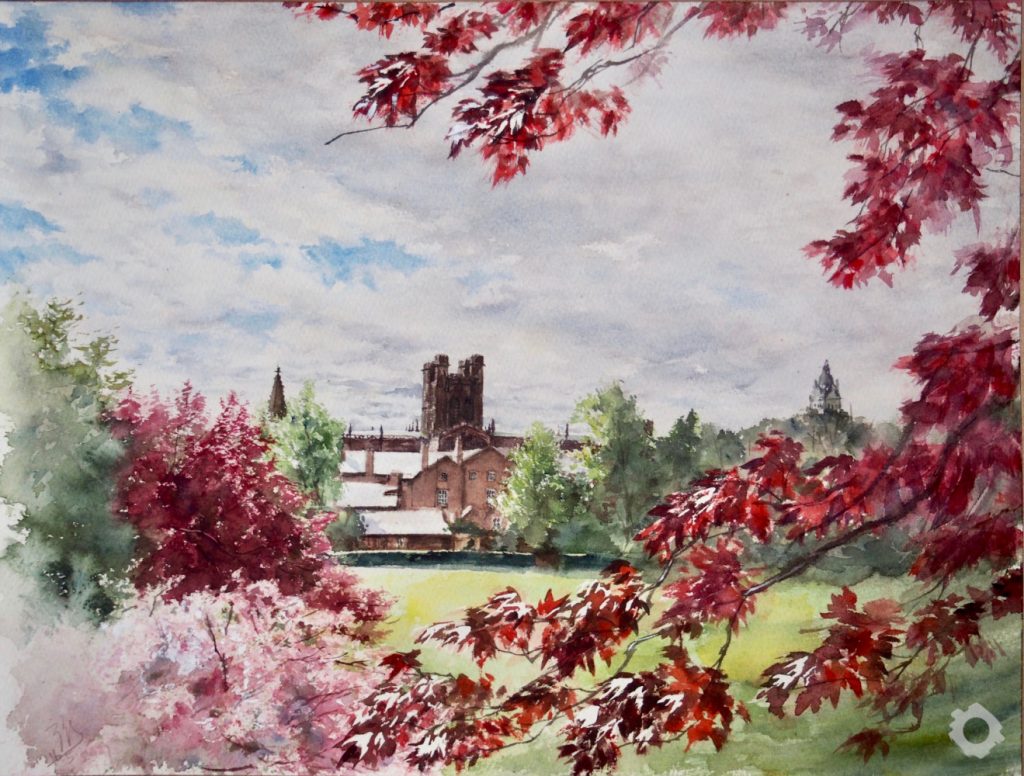
I’m currently working on a series of flower paintings in watercolour, titled as ‘Seasons’. I’m trying make an impression of the four seasons in four paintings, with a composition of flowers from the respective season. Also I’m planning a series of portrait paintings on the musical performers on the street of the Liverpool city centre.
What was the best advice given to you as an artist?
I was told by one of my tutors in university “never assume things, explore them.” In the process of creation we always find things not going the way we assume. Therefore it’s better to believe in research and experiments rather than working based on assumptions.
Also, “be patient, don’t rush to the answer” is another great piece of advice given to me by another one of my mentors. He reminded me that both artworks and style of art “should not be made up, let them develop instead.” Hopefully if I am asked to describe my style of art again next year, I could give a different answer which shows further development.
Discover more of Frank Leung’s work on our online shop!